If you’re wondering “what can I actually eat on a plant-based diet?”, the answer is: much more than you think. This plant-based foods list covers more than 200 foods, sorted by category, so you can see at a glance what to buy, what to swap and how to turn it into meals.
Use it as a reference. When you’re ready to shop, our plant-based grocery list organizes the essentials by store aisle.
The simple rule: build most meals from vegetables, fruit, whole grains, beans and lentils, nuts and seeds. Add plant-based swaps (milk, butter, meat alternatives) when they make life easier.
What does “plant-based” mean?
A plant-based diet is built mainly from foods that come from plants. Some people eat 100% plants (vegan); others eat mostly plants and occasionally include animal foods. At Everyday Plant Living we think of it as a lifestyle, not a diet: more plants, less stress, no perfection required.
Vegetables
Leafy greens
- Spinach, kale, romaine, arugula, mixed greens
- Swiss chard, collard greens, bok choy
- Cabbage (green, red, napa), Brussels sprouts
- Watercress, mustard greens, microgreens
Cruciferous and everyday vegetables
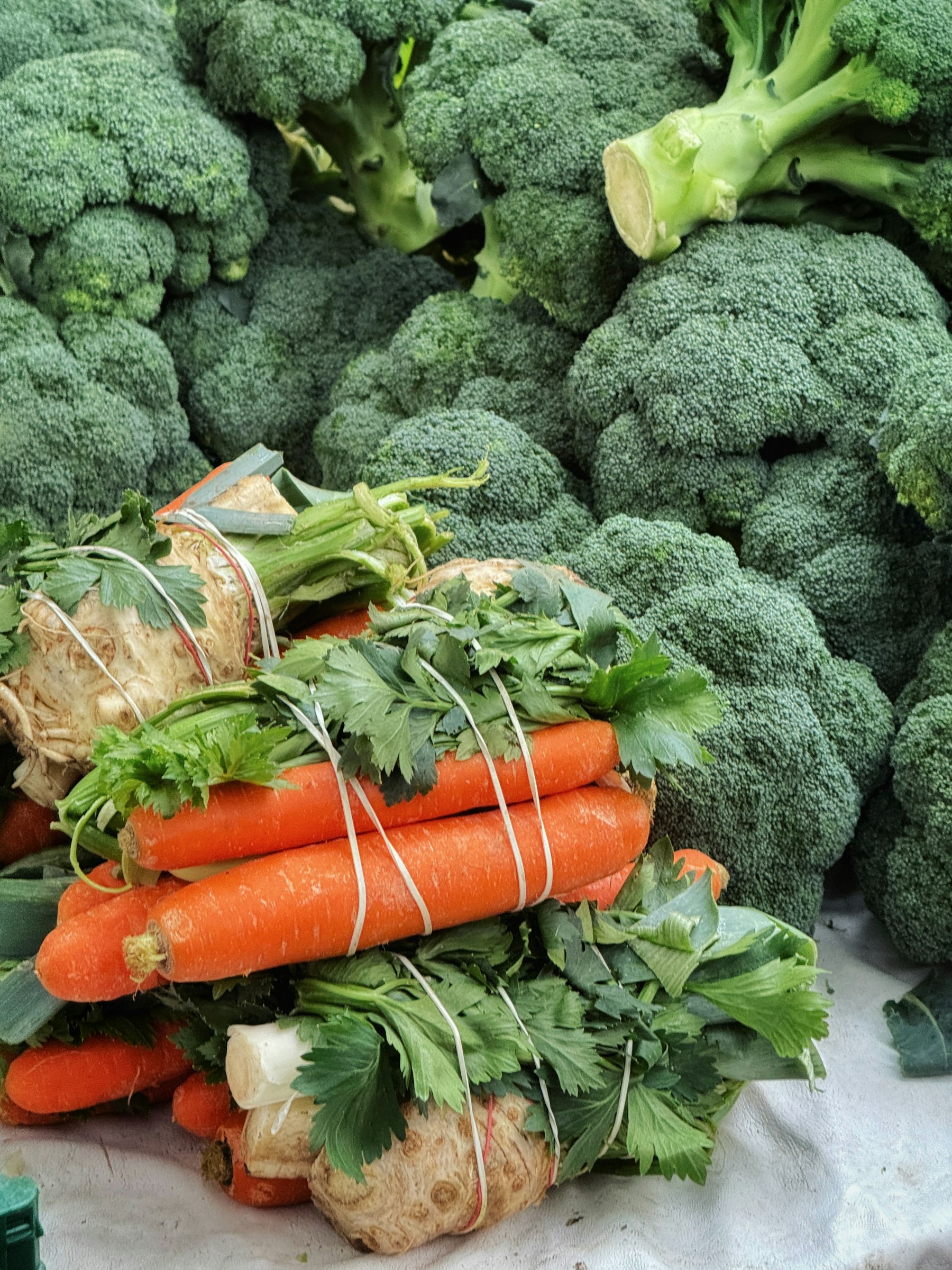
- Broccoli, broccolini, cauliflower
- Bell peppers, zucchini, yellow squash
- Green beans, snap peas, snow peas, asparagus
- Cucumbers, celery, tomatoes, cherry tomatoes
- Eggplant, okra, artichokes, fennel, radishes
Root and starchy vegetables
- Potatoes (russet, gold, red), sweet potatoes, yams
- Carrots, beets, parsnips, turnips, rutabaga
- Corn, peas, winter squash (butternut, acorn, spaghetti), pumpkin
- Onions, shallots, leeks, garlic, green onions, ginger
Mushrooms
- Cremini, white button, portobello, shiitake, oyster, maitake (hen of the woods), king oyster, lion’s mane
Fruits
- Everyday: bananas, apples, oranges, clementines, pears, grapes
- Berries: strawberries, blueberries, raspberries, blackberries, cranberries
- Tropical: mango, pineapple, papaya, kiwi, passion fruit, coconut
- Stone fruit: peaches, nectarines, plums, cherries, apricots
- Melons: watermelon, cantaloupe, honeydew
- Citrus: lemons, limes, grapefruit
- Savory fruit: avocados, olives, tomatoes
- Dried: dates, raisins, apricots, figs, prunes (look for no added sugar)
- Frozen: berries, mango, cherries, mixed fruit (great for smoothies)
Whole grains and starches
- Rolled oats, steel-cut oats
- Brown rice, wild rice, white rice, jasmine and basmati rice
- Quinoa, farro, barley, bulgur, millet, buckwheat, amaranth, sorghum
- Whole wheat pasta, chickpea or lentil pasta, rice noodles, soba, udon
- Whole grain bread, sourdough, tortillas (corn and flour), pita, naan (check for dairy)
- Couscous, polenta, grits
- Popcorn (a whole grain!)
Beans, lentils and legumes
- Beans: black, pinto, kidney, cannellini, navy, great northern, butter, cranberry, adzuki, mung
- Chickpeas (garbanzo beans)
- Lentils: green, brown, red, black (beluga), French (puy)
- Peas: split peas, black-eyed peas, green peas
- Soy: edamame, soybeans
- Peanuts (technically a legume)
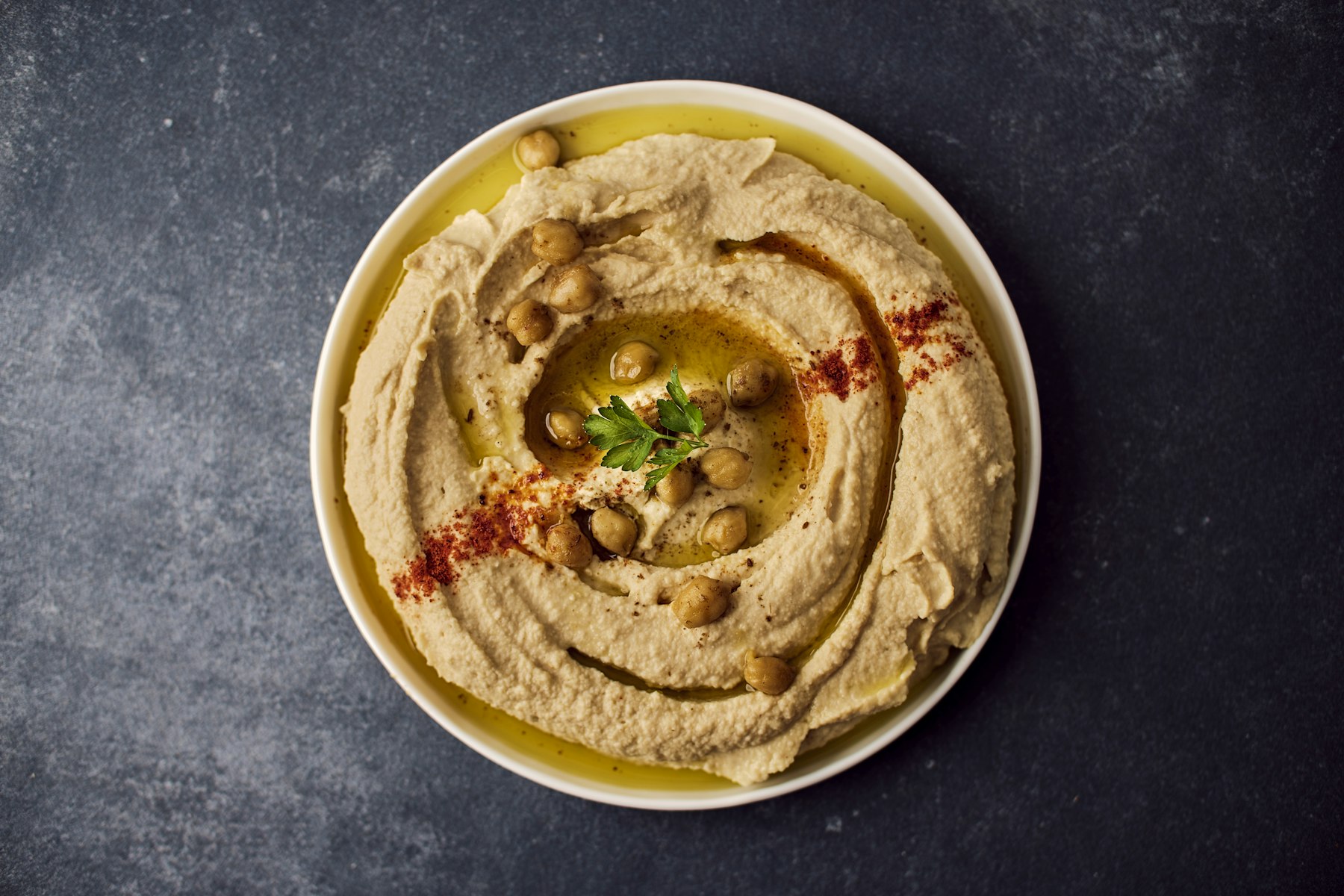
- Bean products: hummus, refried beans (check for lard), bean pasta
Plant proteins
| Food | Protein (approx.) | How to use it |
|---|---|---|
| Tofu (extra-firm), 1/2 block | 20 g | Scrambles, stir-fries, sheet-pan BBQ tofu |
| Tempeh, 3 oz | 16 g | Crumbles, sandwiches, bowls |
| Seitan, 3 oz | 20 to 25 g | Stir-fries, “steak” strips |
| Lentils, 1 cup cooked | 18 g | Soups, tacos, bolognese |
| Edamame, 1 cup shelled | 18 g | Snacks, bowls |
| Chickpeas, 1 cup | 14 g | Salads, curries, chickpea “tuna” |
| Black beans, 1 cup | 15 g | Burgers, tacos, bowls |
| Soy milk, 1 cup | 7 to 8 g | Cereal, smoothies, baking |
| Hemp seeds, 3 tbsp | 10 g | Oats, salads |
| Peanut butter, 2 tbsp | 7 g | Toast, energy bites |
| Nutritional yeast, 2 tbsp | 5 to 8 g | “Cheesy” sauces and popcorn |
More options in our plant-based meat substitutes guide and plant-based protein powder guide.
Nuts and seeds
- Nuts: almonds, cashews, walnuts, pecans, pistachios, hazelnuts, macadamias, Brazil nuts, pine nuts
- Seeds: chia, ground flax, hemp hearts, pumpkin seeds (pepitas), sunflower seeds, sesame seeds
- Butters: peanut, almond, cashew, sunflower seed butter, tahini
Plant-based dairy swaps
| Instead of | Try | Guide |
|---|---|---|
| Milk | Soy, oat, almond, pea milk | Plant-based milk |
| Butter | Plant butter sticks or tubs | Plant-based butter |
| Coffee creamer | Oat, almond or coconut creamer | Plant-based coffee creamer |
| Yogurt | Soy, coconut, almond or oat yogurt | |
| Cheese | Cashew cheese, Violife, Daiya, nutritional yeast | |
| Sour cream / cream cheese | Tofutti, Kite Hill, cashew cream | |
| Ice cream | Oat, coconut or almond ice cream, or our chocolate “nice” cream | |
| Eggs (baking) | Flax egg (1 tbsp ground flax + 3 tbsp water), applesauce, banana | |
| Eggs (scrambles) | Tofu scramble, JUST Egg |
Plant-based meat swaps
- Plant-based burgers: see our plant-based burger guide
- Plant-based ground “beef,” sausages, chick’n nuggets and deli slices
- Jackfruit for pulled “pork”
- Mushrooms for “steaks” and tacos
- Lentils or crumbled tempeh for taco meat and bolognese
Pantry staples and flavor makers
- Oils and vinegars: olive oil, avocado oil, sesame oil, apple cider vinegar, balsamic, rice vinegar
- Sauces: soy sauce or tamari, hot sauce, salsa, marinara, BBQ sauce, curry paste, sriracha, vegan Worcestershire, tomato paste
- Canned goods: diced and crushed tomatoes, coconut milk, beans, chickpeas, pumpkin, vegetable broth
- Spices: cumin, smoked paprika, chili powder, garlic powder, onion powder, Italian seasoning, curry powder, cinnamon, turmeric
- Baking: flour, baking powder, baking soda, cocoa powder, vanilla, maple syrup, dark chocolate chips (check for milk)
- Others: nutritional yeast, miso, Dijon mustard, vegan mayo, pickles, capers, sun-dried tomatoes
Snacks
- Hummus with vegetables or pita
- Fruit with peanut or almond butter
- Trail mix, roasted nuts, crispy roasted chickpeas
- Popcorn, rice cakes, whole grain crackers
- Edamame, guacamole and chips
- Dark chocolate, energy bites, dates stuffed with nut butter
Drinks
Water, sparkling water, coffee, tea, plant milks and smoothies. For a caffeine lift, see our guide to plant-based energy drinks.
Foods to limit (not forbidden)
Plant-based doesn’t automatically mean healthy. Enjoy these, but don’t build every meal around them:
- Highly processed snacks, chips and pastries
- Sugary drinks and sweetened coffee creamers
- Refined white bread and sugary cereals
- Lots of fried food
- Processed mock meats every day (great for convenience, but high in sodium)
Hidden animal ingredients to watch for
If you want to keep things fully plant-based, check labels for: whey, casein, sodium caseinate, gelatin, lard, honey, anchovies, fish sauce, chicken or beef broth, egg whites, carmine (red dye) and ghee. Common surprises include some breads, boxed mixes, Caesar dressing, refried beans, gummy candies and Worcestershire sauce.
Putting the list to work: easy meal ideas
Breakfast
- Overnight oats with berries and chia
- Tropical green smoothie
- Banana pancakes or cinnamon apple breakfast quinoa
- Tofu scramble with spinach and toast
Lunch
- Chickpea “tuna” salad sandwich
- Hummus veggie wraps
- Tomato basil soup with crusty bread
- Grain bowls with roasted vegetables, beans and tahini
Dinner
- One-pot spinach artichoke pasta
- Sheet-pan BBQ tofu
- Black bean burgers
- Mac and cheese, lentil chili, veggie stir-fry, bean tacos
For a full week of meals that use this list, see our plant-based diet meal plan.
Frequently asked questions
What foods can you eat on a plant-based diet?
Vegetables, fruits, whole grains, beans, lentils, tofu, tempeh, nuts, seeds and plant-based versions of milk, butter and meat. The lists above cover over 200 options.
Can you eat eggs or cheese on a plant-based diet?
On a strictly plant-based or vegan diet, no. Many people who eat “mostly plants” include them occasionally. Do what works for you; plant-based swaps make it easy to cut back.
Is pasta plant-based?
Most dried pasta is made from just wheat and water, so yes. Fresh pasta and egg noodles usually contain eggs.
Is bread plant-based?
Most basic breads are, but some contain milk, butter, eggs or honey. Brioche and challah almost always contain eggs.
Where do you get protein on a plant-based diet?
From beans, lentils, tofu, tempeh, edamame, seitan, nuts, seeds, whole grains and soy milk. Eating a variety through the day covers your needs.
Where do you get vitamin B12?
B12 isn’t reliably found in plant foods, so people eating fully plant-based need fortified foods (plant milks, nutritional yeast, cereals) or a supplement. Talk to your doctor about what’s right for you.
Turn the list into a shopping trip
The Everyday Grocery List Bundle gives you printable plant-based grocery lists by aisle, pantry and freezer checklists, a budget week and a weekly meal planner.