Here’s something most people don’t know: many classic bar soaps are made with animal fat. It shows up on the label as sodium tallowate, which is beef or sheep fat turned into soap. If you’re eating more plants for health, the planet or the animals, switching to plant-based soap is one of the easiest swaps in your home.
This guide explains how soap is made, which ingredients to look for, the best plant-based bar and liquid soaps, and how a single bottle of castile soap can replace several products.
Quick answer: check the first few ingredients. Sodium tallowate or sodium lardate means animal fat. Sodium cocoate, sodium olivate, sodium palmate or sodium shea butterate means plant oils. A “vegan” label is the fastest shortcut.
How soap is made (and where animal fat comes in)
True soap is made by mixing fats or oils with an alkali (lye). This reaction, called saponification, turns the fat into soap and glycerin. The fat can come from animals or plants:
| Label name | Made from | Plant-based? |
|---|---|---|
| Sodium tallowate / potassium tallowate | Beef or sheep fat (tallow) | No |
| Sodium lardate | Pig fat (lard) | No |
| Sodium cocoate / potassium cocoate | Coconut oil | Yes |
| Sodium olivate / potassium olivate | Olive oil | Yes |
| Sodium palmate / sodium palm kernelate | Palm oil | Yes (look for RSPO-certified sustainable palm) |
| Sodium shea butterate | Shea butter | Yes |
| Sodium castorate | Castor oil | Yes |
Ingredients are listed from most to least, so the first two or three tell you what the bar is mainly made of.
Other animal ingredients in soap
- Glycerin and stearic acid: can come from plants or animals. “Vegetable glycerin” or a vegan label confirms plants.
- Goat milk, buttermilk or milk
- Honey and beeswax
- Lanolin (from sheep’s wool)
Many “beauty bars” aren’t true soap
Many popular beauty bars are actually synthetic detergent (“syndet”) bars, with mild cleansers such as sodium cocoyl isethionate. These can be plant-derived, but some classic bars still list sodium tallowate. The original Dove Beauty Bar and classic Ivory are well-known examples that contain tallow, though both brands also sell other products. Always check the specific product’s label.
Types of plant-based soap
- Castile soap: traditionally made from olive oil (named after Castile, Spain); today it means any soap made only from plant oils. Very versatile.
- Marseille, Aleppo and Nabulsi soap: traditional olive oil soaps from France, Syria and Palestine. Aleppo soap adds laurel berry oil.
- Glycerin soap: clear bars with extra glycerin, gentle and moisturizing (check that the glycerin is vegetable-derived).
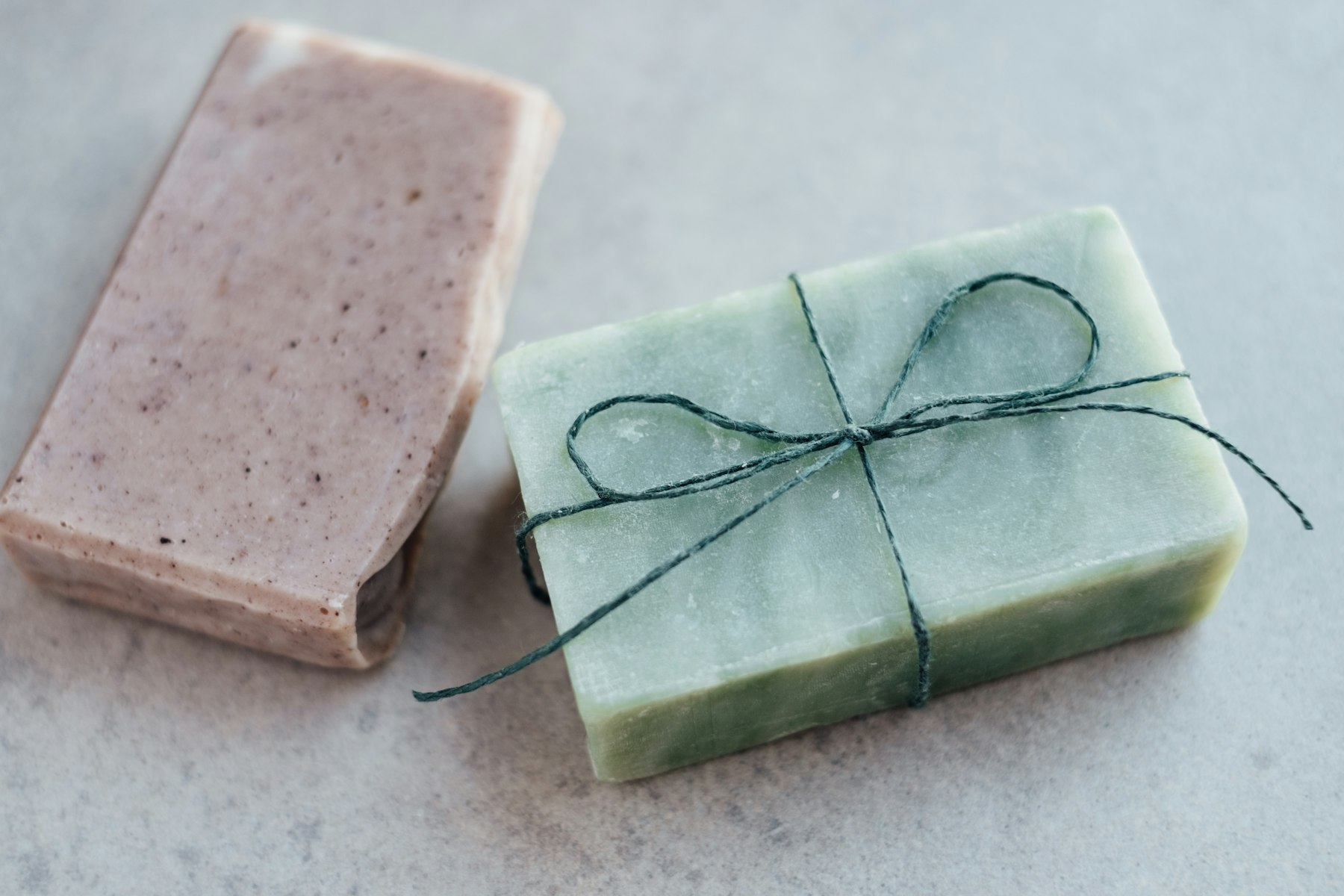
- Cold-process artisan bars: handmade with plant oils and butters, often with clays, oats or essential oils.
- Syndet bars: gentle, pH-balanced cleansing bars; many are plant-derived.
Best plant-based soap brands
We’re not sponsored by any brand. Check labels; formulas change.
Bar soap
- Dr. Bronner’s Pure-Castile Bar Soap: made with organic plant oils, certified vegan, and free of synthetic preservatives, detergents and foaming agents. Works for face, body and hair. Scents include peppermint, lavender, almond, citrus, rose, eucalyptus and unscented.
- Kirk’s Original Coco Castile: an inexpensive coconut-oil castile bar that’s been around for over 175 years.
- Clearly Natural Glycerin Soap: vegetable glycerin bars, gentle and affordable.
- Pacha Soap Co.: plant-based bars with natural scents and a give-back program.
- Ethique: plastic-free solid bars for body, face and hair.
- Aleppo or Marseille soap from specialty shops: simple olive-oil bars.
- Local makers: farmers markets and Etsy are full of small-batch vegan soaps. Ask what oils they use.
Liquid soap
- Dr. Bronner’s Pure-Castile Liquid Soap: one bottle for body, hands, dishes and cleaning (diluted).
- Everyone (EO) Soap: plant-based, large bottles, great as hand soap.
- Mrs. Meyer’s Clean Day Hand Soap: plant-derived ingredients, garden scents.
- Method Hand Soap: widely available, bright scents.
- Seventh Generation Hand Wash: fragrance-free option.
| Brand | Type | Unscented option | Good for |
|---|---|---|---|
| Dr. Bronner’s | Bar and liquid | Yes | Everything |
| Kirk’s | Bar | Yes | Budget |
| Clearly Natural | Glycerin bar | Yes | Gentle daily use |
| Ethique | Bar | Some | Plastic-free |
| Everyone | Liquid | Yes | Hand and body |
| Mrs. Meyer’s | Liquid | No | Scented hand soap |
10 ways to use castile soap around the house
Liquid castile soap is concentrated, so always dilute it. These ratios are starting points; Dr. Bronner’s publishes a full dilution guide.
- Body wash: a small squirt on a washcloth or loofah.
- Hand soap: fill a foaming pump about 1/5 with castile soap and the rest with water.
- Face wash: 1 to 2 drops on wet hands (try unscented first).
- Dish soap (hand-washing): 1 part soap to 10 parts water in a squeeze bottle.
- All-purpose spray: 1/4 cup castile soap in a quart spray bottle of water.
- Fruit and veggie rinse: 1 drop in a bowl of water, then rinse very well.
- Floor cleaner: 1/2 tablespoon in 3 gallons of hot water.
- Laundry boost: 1/3 to 1/2 cup per load (not ideal for HE machines).
- Shaving: lather a few drops with water.
- Makeup brushes: a drop in warm water, swirl, rinse.
Don’t mix castile soap with vinegar or lemon juice. The acid breaks the soap back down into an oily film. Use them separately, rinsing between.
Is plant-based soap better for your skin?
Not automatically. True soaps (castile, cold-process) have a higher pH than skin, which can feel drying for some people, especially with hard water. If your skin feels tight, try a glycerin bar, a gentle syndet bar or a creamy body wash, and moisturize after showering. Our plant-based body wash guide covers gentler options.
Frequently asked questions
Is all soap vegan?
No. Many bar soaps contain sodium tallowate (animal fat), and some contain milk, honey, beeswax or lanolin. Check the label or look for a vegan certification.
What is sodium tallowate?
It’s soap made from tallow, rendered fat from cows or sheep. It’s common in conventional bar soaps because it’s inexpensive and makes a hard, long-lasting bar.
Is castile soap vegan?
Modern castile soap is made only from plant oils, so it’s vegan, as long as no animal-derived additives like honey are included.
Is glycerin vegan?
Glycerin can be made from plant oils, animal fat or petroleum. Labels saying “vegetable glycerin” or a vegan certification confirm a plant source.
How long does a plant-based bar soap last?
Plant-oil bars can be softer than tallow bars. Keep yours on a draining soap dish so it dries between uses and it will last much longer.
Plant-based living starts in the kitchen
Get the free 7-day meal plan: a week of easy plant-based meals, one grocery list and a Sunday prep plan.