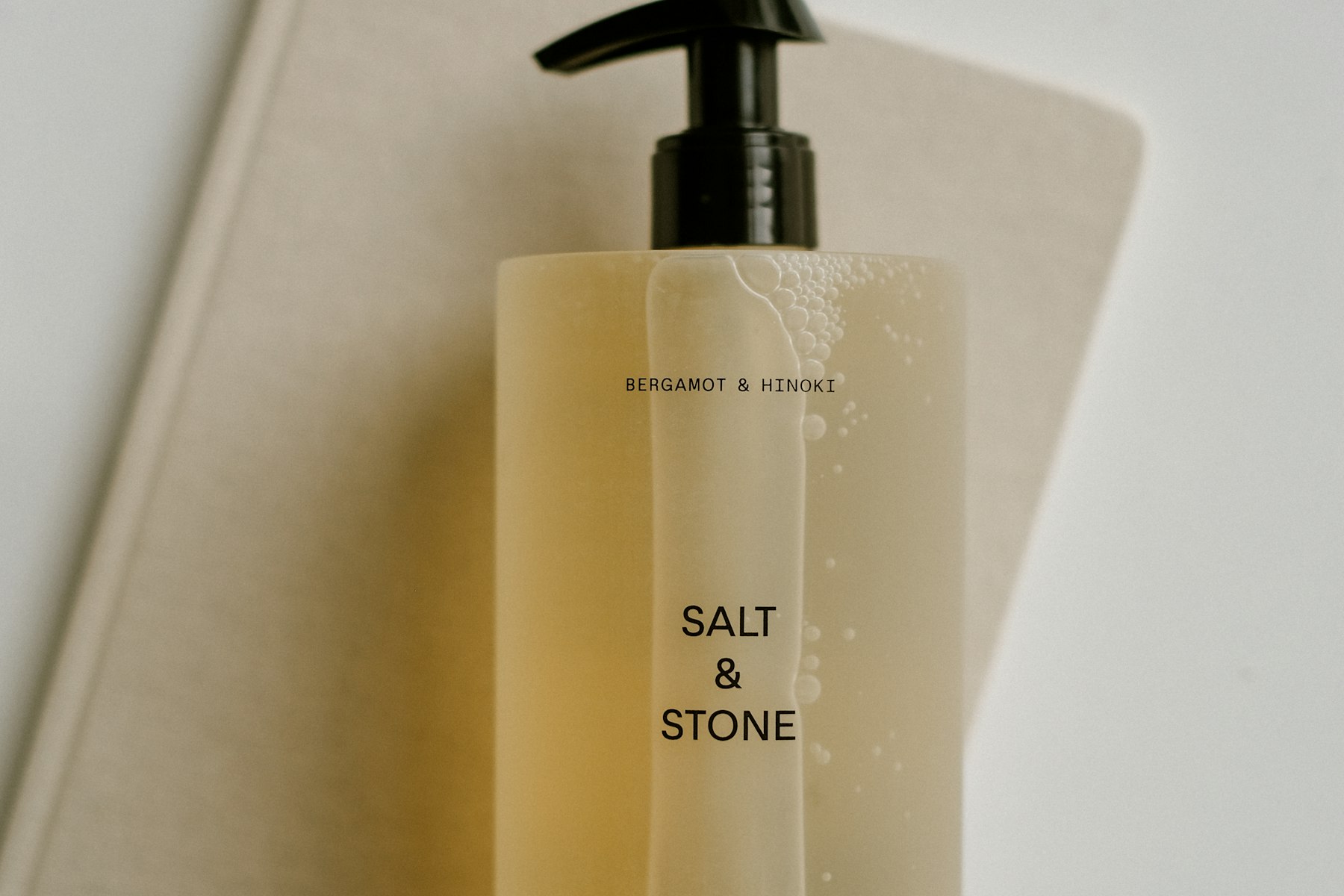
A plant-based body wash cleans with surfactants made from plant oils like coconut, olive or sugar instead of petroleum, and moisturizes with plant butters, oils and aloe. Many are also free of sulfates, synthetic fragrance and parabens, which can make them a better fit for dry or sensitive skin.
As with laundry detergent, “plant-based” isn’t a regulated term on beauty products. This guide shows you how to read the label, which ingredients matter, and which brands are worth trying at every price point.
Quick answer: look for gentle coconut- or sugar-derived cleansers (like coco-glucoside or sodium cocoyl glutamate), a short ingredient list and a vegan or cruelty-free seal. Dr. Bronner’s, Love Beauty and Planet, Puracy, Everyone and Plaine Products are easy places to start.
What makes a body wash plant-based?
Every body wash has three main parts:
- Cleansers (surfactants): lift oil and dirt so water can rinse it away.
- Moisturizers: keep skin from feeling tight after you rinse.
- Scent and preservatives: make it pleasant and keep it safe to use.
In a plant-based body wash, the cleansers and moisturizers come mainly from plants, and the scent usually comes from essential oils or plant extracts.
Gentle plant-derived cleansers to look for
| Ingredient on the label | Comes from | Feels |
|---|---|---|
| Coco-glucoside, decyl glucoside, lauryl glucoside | Coconut or corn oil plus sugar | Very gentle, good for sensitive skin |
| Sodium cocoyl glutamate | Coconut oil plus an amino acid | Mild, creamy |
| Sodium cocoyl isethionate | Coconut oil | Creamy lather, gentle |
| Cocamidopropyl betaine | Coconut oil | Mild foamer, common in many washes |
| Potassium cocoate, potassium olivate | Saponified coconut or olive oil (true soap) | Rich lather; can be drying for some skin |
Moisturizing plant ingredients
- Glycerin (look for “vegetable glycerin” if you want to be sure it’s plant-derived)
- Aloe vera
- Shea butter and cocoa butter
- Oat extract (colloidal oatmeal), great for itchy or dry skin
- Jojoba, sunflower, avocado and coconut oils
Ingredients many people choose to skip
- Sodium lauryl sulfate (SLS): an effective but harsh cleanser that can dry or irritate skin.
- Synthetic fragrance (“parfum”): a common cause of skin irritation. Choose fragrance-free if you’re sensitive.
- Animal-derived ingredients: honey, beeswax, lanolin, milk, and “glycerin” or “stearic acid” from animal fat. A vegan label is the easiest way to be sure.
Best plant-based body washes
Prices and formulas change; check the current label. We’re not sponsored by any brand.
Best budget and drugstore
- Dr. Bronner’s Pure-Castile Liquid Soap: organic oils, certified vegan, no synthetic preservatives, thickeners or foaming agents. Use as a body wash, hand soap, and (diluted) around the house. The Baby Unscented version is the gentlest. Castile soap is true soap, so some people with very dry skin prefer a creamier wash.
- Love Beauty and Planet Body Wash: vegan, cruelty-free, sulfate-free, in recycled bottles. Scents like coconut water and mimosa flower, and white peach and aloe.
- Everyone (EO) 3-in-1 Soap: plant-based cleansers and essential oils, a large bottle for the price.
- Dove body washes labeled “plant-based”: Dove makes several plant-based body wash lines, but not all Dove products are vegan (the classic Beauty Bar contains tallow), so read the specific label.
- Mrs. Meyer’s Clean Day Body Wash: plant-derived ingredients and garden scents.
Best for sensitive skin
- Puracy Natural Body Wash: very high plant-based content, gentle coconut cleansers, hypoallergenic formula.
- Attitude Body Wash: EWG Verified, unscented options, plant and mineral-based.
- Pipette Baby Shampoo + Wash: gentle, fragrance-free, great for the whole family.
Best sustainable packaging
- Plaine Products: aloe-based wash in refillable aluminum bottles, from a Certified B Corp.
- Blueland Body Wash: a powder you mix with water at home in a reusable bottle.
- Public Goods Body Wash: sulfate-free, with refill options.
Best splurge
- Nécessaire The Body Wash: unscented, gentle, skin-barrier focused.
- Grown Alchemist Body Cleanser: botanical, very hydrating.
- OSEA Undaria Algae Body Wash: seaweed-based, vegan.
- Rahua Shower Gel: plant-based with certified organic ingredients.
| Brand | Price tier | Fragrance-free option | Good for |
|---|---|---|---|
| Dr. Bronner’s | $ | Yes (Baby Unscented) | Multi-use, simple |
| Love Beauty and Planet | $ | No | Drugstore scents |
| Everyone | $ | Yes | Big-bottle value |
| Puracy | $$ | Yes | Sensitive skin |
| Attitude | $$ | Yes | Families |
| Plaine Products | $$ | Yes | Refillable packaging |
| Nécessaire | $$$ | Yes | Dry or sensitive skin |
| OSEA | $$$ | No | Spa-like |
How to choose a plant-based body wash for your skin
- Dry skin: creamy washes with glycerin, shea or oat; avoid pure castile soap every day.
- Sensitive or eczema-prone skin: fragrance-free, short ingredient list, glucoside cleansers. Patch test first, and ask a dermatologist about persistent itching or rashes.
- Oily or acne-prone skin: lightweight gel washes; a gentle wash with salicylic acid (from willow bark or synthetic) can help.
- Kids: fragrance-free, tear-free formulas.
- Low waste: bar soap, refillable aluminum bottles or powder concentrates.
DIY plant-based body wash
This simple wash uses liquid castile soap as the base and adds moisture.
- 1/2 cup unscented liquid castile soap
- 1/4 cup aloe vera gel
- 2 tablespoons vegetable glycerin
- 1 tablespoon jojoba or sweet almond oil
- 10 to 15 drops essential oil, such as lavender (optional; skip for sensitive skin)
- Combine everything in a clean pump bottle.
- Shake gently before each use.
- Use within 4 to 6 weeks. Homemade products don’t contain preservatives, so make small batches and keep water out of the bottle.
Patch test on your inner arm first. Don’t use essential oils on babies or young children without guidance from a pediatrician.
Body wash vs bar soap
Bar soap uses less packaging and lasts longer, while body wash is often gentler and more moisturizing. If you’re curious about bars, see our plant-based soap guide for how to spot animal fats on the label.
Frequently asked questions
Is plant-based body wash better for your skin?
Not automatically. What matters most is a gentle cleanser, enough moisturizers and avoiding ingredients that bother your skin, such as fragrance. Many plant-based washes check all three boxes.
Is plant-based body wash vegan?
Usually, but not always. Some contain honey, milk or beeswax. Look for a certified vegan label.
Is castile soap good as a body wash?
Yes. It’s simple and versatile, but it’s a true soap with a higher pH, so it can feel drying for some people. Follow with a moisturizer, or choose a creamy glucoside-based wash for daily use.
What does “naturally derived” mean on a label?
It means the ingredients started from a natural source (like coconut) but were processed. A label saying “92% naturally derived” means the rest is synthetic, which isn’t necessarily bad, just good to know.
Plant-based living, one easy week at a time
The free 7-Day Reset meal plan is the simplest place to start: a week of easy plant-based meals, one grocery list and a Sunday prep plan.