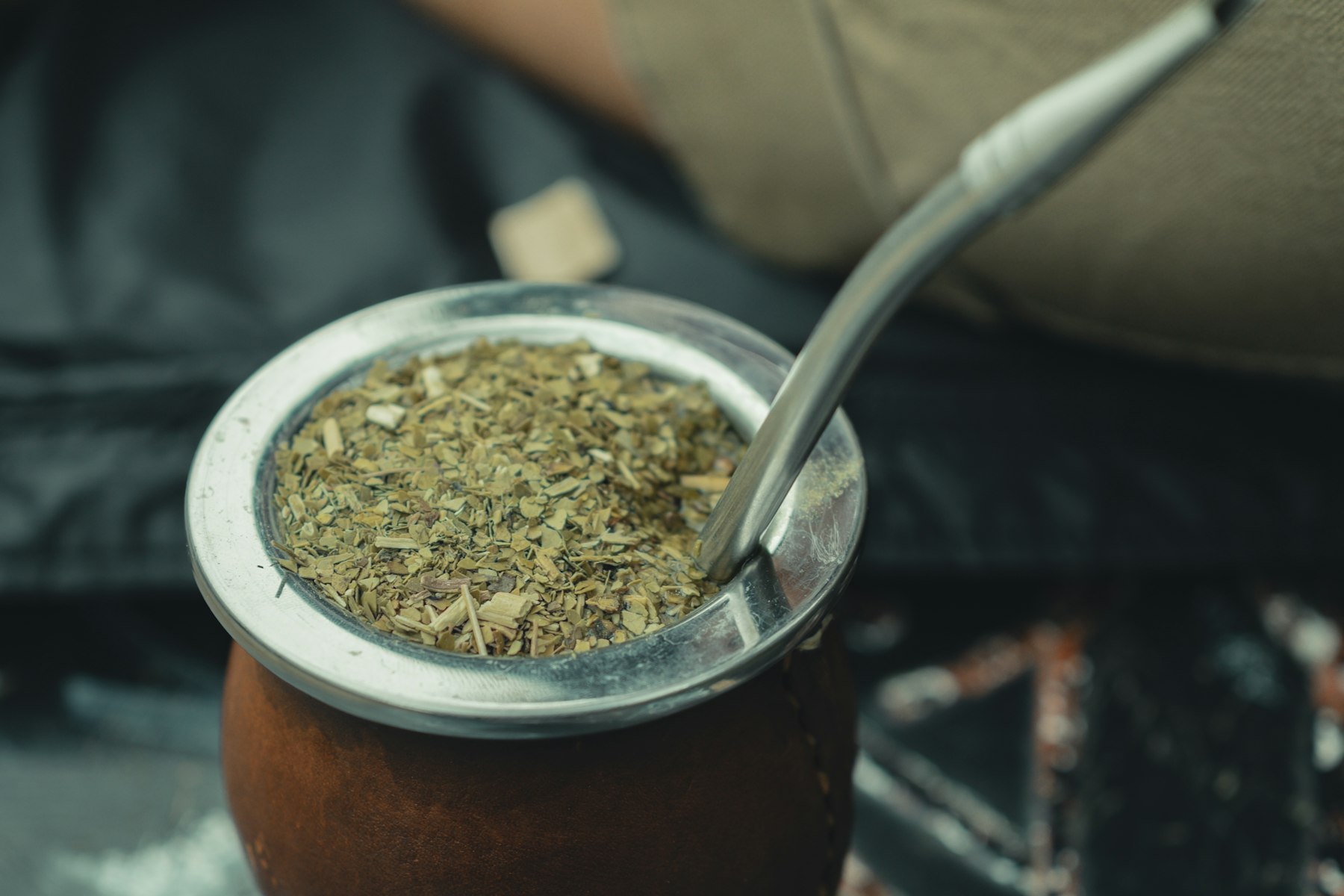
A plant-based energy drink gets its caffeine from plants such as yerba mate, green tea, green coffee beans, guayusa or guarana, instead of caffeine made in a lab. Many also skip artificial colors and sweeteners, and some add B vitamins, electrolytes or L-theanine for smoother focus.
They’re popular with people who want an afternoon lift without the jittery, sugary crash. This guide covers what “plant-based” means on an energy drink, the brands worth trying, how much caffeine is in each, and how to make your own.
Good to know: caffeine is caffeine. A plant source doesn’t make 300 mg safe. The FDA considers up to about 400 mg of caffeine a day generally safe for healthy adults; less if you’re pregnant, sensitive or taking certain medications.
What makes an energy drink plant-based?
Almost every energy drink is technically vegan, but “plant-based energy drink” usually means:
- Caffeine from plants: yerba mate, green or black tea, green coffee bean extract, guayusa, guarana or cascara (coffee cherry).
- Fewer synthetic additives: no artificial colors, often no sucralose or aspartame.
- Natural or low sugar: cane sugar, fruit juice, stevia, monk fruit or no sweetener.
- Plant extras: ginseng, L-theanine (from tea), adaptogens like ashwagandha, or fruit and herb flavors.
Common plant caffeine sources
| Source | Where it comes from | What it’s like |
|---|---|---|
| Yerba mate | Leaves of a South American holly tree | Smooth, earthy; contains natural antioxidants |
| Green tea | Tea leaves | Gentle lift; L-theanine may smooth out jitters |
| Green coffee bean | Unroasted coffee beans | Clean caffeine with no coffee taste |
| Guayusa | Amazonian holly leaves | Smooth, slightly sweet |
| Guarana | Seeds of an Amazon vine | Strong; often in higher-caffeine drinks |
| Cascara | Dried coffee cherry fruit | Fruity, mild |
Best plant-based energy drink brands
Caffeine amounts are approximate and per can or bottle. Check the label; formulas and sizes change. We’re not sponsored by any brand.
| Brand | Caffeine (approx.) | Caffeine source | Sweetener | Notes |
|---|---|---|---|---|
| Yerba Madre (formerly Guayakí) | 150 mg per 15.5 oz can | Yerba mate | Cane sugar; unsweetened options | Organic, a long-time favorite |
| Starbucks Iced Energy | 160 mg per 12 oz can | Plant-based caffeine | Zero sugar | Fruit flavors, widely sold |
| Zevia Energy | 120 mg per 12 oz can | Plant-based caffeine | Stevia | Zero calorie |
| Riff Energy | 120 mg | Cascara and coffee fruit | Low sugar | Upcycled coffee cherry |
| GURU Organic Energy | Around 100 to 140 mg | Green tea, guayusa | Cane sugar or zero sugar | Organic, Canadian brand |
| Lotus Plant Power | Varies | Plant extracts | Varies | Coffee-shop and canned options |
| Beyond Immerse Protein + Energy | 160 mg | Coffee beans and guarana | Low sugar | New from Beyond Meat, adds plant protein |
| Mate tea (bottled) | 80 to 150 mg | Yerba mate | Varies | Store brands and Clean Cause |
What about Celsius, Red Bull and Monster? Most are vegan-friendly (no animal ingredients), but they typically use synthesized caffeine and artificial or high-intensity sweeteners, so they’re not usually considered “plant-based” energy drinks.
How to choose a plant-based energy drink
- Caffeine per can: 80 to 160 mg covers most people’s needs. Over 200 mg per can is a lot for one sitting.
- Sugar: many cans have 20 to 30 g. Look for low or zero sugar if you drink them often.
- Sweeteners: stevia and monk fruit are plant-derived. Some people prefer cane sugar in small amounts.
- Extras: B vitamins and electrolytes are nice but not necessary. Be cautious with stacked stimulants and unfamiliar herbal blends.
- Timing: caffeine can affect sleep for hours. Many people do best with no caffeine after early afternoon.
Homemade plant-based energy drinks
These take 5 minutes, cost less than a can and let you control the caffeine and sugar.
Sparkling yerba mate lemonade (about 80 mg caffeine)
- 2 yerba mate tea bags (or 2 tablespoons loose yerba mate)
- 1 cup hot (not boiling) water, about 170°F
- Juice of 1/2 lemon
- 1 to 2 teaspoons maple syrup or agave
- 1 cup sparkling water and ice
- Steep the yerba mate in hot water for 5 minutes, then remove the bags.
- Stir in the lemon juice and maple syrup. Cool with ice.
- Top with sparkling water. Add mint or berries if you like.
Green tea ginger refresher (about 60 mg caffeine)
- 2 green tea bags
- 1 cup hot water, about 175°F
- 3 thin slices fresh ginger
- 1/2 cup orange or pineapple juice
- Ice and a pinch of salt
- Steep the tea and ginger for 3 minutes.
- Remove the tea bags, add the juice and salt, and pour over ice.
Matcha coconut energy (about 70 mg caffeine)
- 1 teaspoon matcha powder
- 1/4 cup warm water
- 1 cup coconut water
- 1/2 teaspoon lime juice and ice
- Whisk the matcha with warm water until smooth.
- Add the coconut water and lime juice, then pour over ice.
Caffeine in homemade drinks varies with how strong you brew them.
Natural ways to boost energy (no can required)
Caffeine borrows energy from later. These build it:
- Eat a real breakfast with protein and fiber, like overnight oats or a tropical green smoothie.
- Have a balanced lunch so you avoid the 3 p.m. slump. Try our chickpea “tuna” salad.
- Snack smart: peanut butter energy bites or crispy roasted chickpeas.
- Drink water: mild dehydration often feels like tiredness.
- Move for 10 minutes and get daylight, especially in the morning.
- Protect sleep: consistent bedtimes do more than any drink.
See more in our guide to simple plant-based living habits.
Frequently asked questions
Are plant-based energy drinks healthier?
They usually have fewer artificial ingredients and often less sugar, which is a plus. But the caffeine affects your body the same way. They’re a better choice, not a health food.
How much caffeine is too much?
For most healthy adults, up to about 400 mg a day is considered safe. Pregnant people are generally advised to stay under 200 mg a day. Energy drinks aren’t recommended for children and teens.
Is yerba mate better than coffee?
Yerba mate has a similar amount of caffeine to coffee per serving, and many people find the lift smoother. It’s a matter of taste and how your body responds.
Are energy drinks vegan?
Most are, but some use colorings, honey or vitamin D3 from animal sources. Check for a vegan label if this matters to you.
Steady energy starts on your plate
The 30-Day Everyday Plant Living Plan gives you a month of balanced breakfasts, lunches and dinners, plus grocery lists and prep guides, so you’re not reaching for a can at 3 p.m.