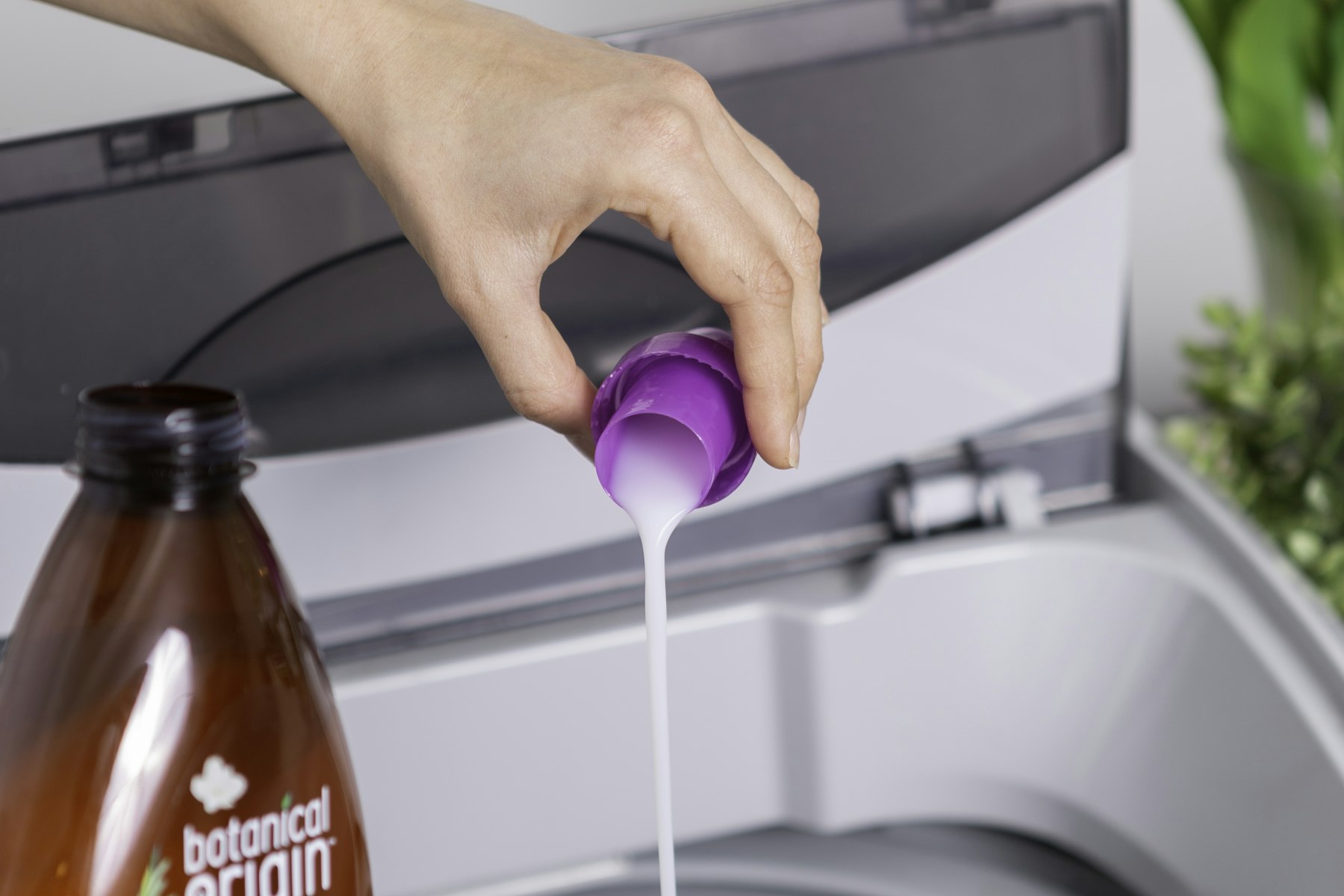
Eating more plants often leads to looking at what else comes into your home, and laundry detergent is one of the products you use most. “Plant-based” detergents promise ingredients made from renewable plants instead of petroleum, fewer harsh additives and less impact once the water goes down the drain.
But “plant-based” isn’t a regulated term, and some bottles labeled that way are only partly plant-derived. This guide explains what to look for, compares the best plant-based laundry detergents by format, and shares how to get clean laundry with less waste.
Quick answer: look for a USDA Certified Biobased label with a high percentage, an EPA Safer Choice label, and a Leaping Bunny or vegan seal if animal testing matters to you. Seventh Generation, Molly’s Suds, Biokleen, ECOS, Dropps and Earth Breeze are reliable places to start.
What does “plant-based” laundry detergent mean?
Detergents clean with surfactants, molecules that grab oil and dirt and let water rinse them away. Conventional detergents make many surfactants from petroleum. Plant-based detergents make them mostly from plant oils such as coconut, palm kernel or corn, and often add enzymes (protease, amylase) that break down food and grass stains.
“Plant-based” on a label means plants are the main source of the ingredients, but it doesn’t say how much. That’s where third-party labels help.
The labels that actually mean something
| Label | What it tells you |
|---|---|
| USDA Certified Biobased Product | The exact percentage of the product made from renewable (plant, animal, marine or forestry) sources, verified by lab testing. Higher is better; the best detergents are above 90%. |
| EPA Safer Choice | Every ingredient has been reviewed for human and environmental safety. |
| Leaping Bunny / Cruelty Free | The brand doesn’t test on animals. |
| Certified Vegan (vegan.org) | No animal-derived ingredients. “Plant-based” alone doesn’t guarantee vegan. |
| EWG Verified | Meets the Environmental Working Group’s ingredient and transparency standards. |
For laundry products, the USDA minimum to earn the biobased label is relatively low (around a third of the formula), so read the number on the label. For example, Seventh Generation’s liquid detergents are certified 97% biobased, while some “plant-based” lines from big brands are a hybrid of plant and petroleum ingredients.
Best plant-based laundry detergents by type
Formulas change, so check the current label. We are not sponsored by any brand listed.
Liquid detergents
- Seventh Generation Free & Clear: USDA Certified 97% biobased, EPA Safer Choice, enzyme formula, no dyes or synthetic fragrance. Often recommended for sensitive skin. Easy to find at grocery and big-box stores.
- Molly’s Suds Liquid: a short list of earth-derived ingredients with plant-based surfactants and enzymes.
- Biokleen Laundry Liquid: concentrated, budget-friendly and long trusted in the natural space.
- ECOS Hypoallergenic Laundry Detergent: plant-powered, widely available and affordable per load.
- Mrs. Meyer’s Clean Day Laundry: plant-derived ingredients with garden scents like lavender and lemon verbena.
- Method Laundry Detergent: concentrated with fun scents.
- Attitude Laundry Detergent: EWG Verified, Canadian, plant and mineral-based.
- Tide Purclean: Tide’s plant-based line. Useful if you want the Tide name, but it’s a hybrid: a lower biobased percentage than the dedicated natural brands.
Pods
- Dropps: plastic-free cardboard packaging, USDA Certified Biobased formulas (the brand lists around 55 to 58% depending on the product), with Stain and Odor, Sensitive Skin and Active Wash options.
- Grove Co. Laundry Detergent Packs: plant-based packs sold through Grove’s subscription.
Laundry sheets and strips (lightest packaging)
- Earth Breeze: lightweight sheets in a paper sleeve, great for small spaces and travel.
- Tru Earth: dissolvable strips, plastic-free packaging.
- Sheets Laundry Club: budget-friendly sheets.
Sheets are convenient and nearly waste-free, though many reviewers find liquids better on heavy stains.
Powders and bars
- Molly’s Suds Original Powder: simple and inexpensive per load.
- Meliora Laundry Powder: plastic-free packaging, EWG Verified.
- Ethique Flash! Solid Laundry Bar: a bar for hand-washing delicates and spot cleaning.
Specialty
- Dirty Labs Bio Enzyme Detergent: highly concentrated enzymes, strong on stains.
- Molly’s Suds Oxygen Whitener: a plant- and mineral-based alternative to chlorine bleach.
- Branch Basics Laundry Kit: one plant-based concentrate used for laundry and cleaning.
| Brand | Format | Fragrance-free option | Good for |
|---|---|---|---|
| Seventh Generation | Liquid, packs | Yes | Sensitive skin, easy to find |
| Molly’s Suds | Liquid, powder | Yes | Simple ingredients |
| Biokleen | Liquid, powder | Yes | Value |
| ECOS | Liquid | Yes | Budget |
| Dropps | Pods | Yes | Plastic-free packaging |
| Earth Breeze | Sheets | Yes | Travel, small spaces |
| Mrs. Meyer’s | Liquid | No | Scent lovers |
| Dirty Labs | Liquid | Yes | Stains |
Is plant-based detergent as effective?
Modern plant-based detergents clean well, especially those with enzymes. In independent lab tests, the top natural brands remove everyday stains comparably to many conventional detergents. A few tips help them work even better:
- Pre-treat stains with a drop of detergent or an oxygen whitener.
- Don’t overload the machine. Clothes need room to move.
- Use warm water for oily stains and cold water for most everyday loads.
- Measure. Concentrated detergents need less than you’d think, and extra detergent can leave residue.
How to wash greener (whatever detergent you use)
- Wash in cold water. Heating water is where most of a washer’s energy goes.
- Run full loads and skip extra rinse cycles unless you need them.
- Line-dry when you can, or use wool dryer balls instead of dryer sheets.
- Choose low-waste packaging: sheets, cardboard pods, powders, refill pouches or a refill shop.
- Skip fabric softener or use a splash of white vinegar in the rinse.
DIY plant-based laundry soap (simple version)
Homemade laundry “soap” is a fun experiment, though store-bought detergents are better at dissolving in cold water and work best in HE machines. If you’d like to try it:
- 1 bar (4 to 5 oz) plant-based castile bar soap, finely grated
- 1 cup washing soda (sodium carbonate)
- 1 cup baking soda
- Grate the soap finely, or pulse it in a food processor.
- Mix with the washing soda and baking soda. Store in an airtight jar.
- Use 1 to 2 tablespoons per load. Dissolve it in warm water first for cold washes.
Keep it away from children, as washing soda is irritating to skin and eyes. For the castile soap, see our plant-based soap guide.
Frequently asked questions
Is plant-based laundry detergent better for sensitive skin?
Often, yes, but it’s the fragrance and dyes that most commonly irritate skin. Choose a “free and clear” or fragrance-free plant-based detergent, such as Seventh Generation Free & Clear, for the gentlest option.
Is plant-based detergent vegan?
Not always. Plant-based describes where most ingredients come from. Look for a Certified Vegan or Leaping Bunny label if avoiding animal ingredients and animal testing matters to you.
Is “plant-based” the same as “biodegradable”?
No. Many plant-based surfactants biodegrade readily, but the label doesn’t guarantee the whole formula does. Look for biodegradability claims and EPA Safer Choice.
Does plant-based detergent work in HE washers?
Most do. Check for the “HE” symbol on the packaging.
Is plant-based laundry detergent more expensive?
It can be, but compare the cost per load, not the bottle price. Concentrated liquids and powders from ECOS, Biokleen and Molly’s Suds are often close to conventional prices.
Make plant-based living simple
Start with what’s on your plate. The free 7-Day Reset meal plan gives you a week of easy plant-based meals, one grocery list and a Sunday prep plan.