Walking into the grocery store without a plan is the fastest way to come home with snacks and nothing for dinner. This plant-based grocery list fixes that. It’s organized the way a store is laid out, focused on affordable staples, and it covers everything you need to cook simple plant-based meals all week.
Use it as a master list: tick off what you already have, add what you need for this week’s recipes and you’re done.
Want it printable? The free 7-Day Reset includes a ready-to-shop grocery list for a full week of meals. For every list in one place, see the Everyday Grocery List Bundle.
The complete plant-based grocery list
Produce: vegetables
Buy a mix of sturdy vegetables that last all week and a few delicate ones to use first.
- Onions (yellow and red) and garlic
- Carrots and celery
- Bell peppers
- Broccoli or cauliflower
- Sweet potatoes and potatoes
- Leafy greens: spinach, kale or romaine
- Mushrooms
- Cucumbers and cherry tomatoes
- Green onions and fresh ginger
- Avocados (buy some firm and some ripe)
Produce: fruit and herbs
Bananas and citrus do double duty in smoothies, dressings and baking.
- Bananas (freeze the ripe ones)
- Lemons and limes
- Apples and seasonal fruit
- Berries (or frozen)
- Fresh herbs: parsley, cilantro or basil
Beans, lentils and plant proteins
The backbone of plant-based meals. Canned is fast; dry is cheaper.
- Chickpeas
- Black beans
- White beans (cannellini)
- Red lentils and green lentils (dry)
- Extra-firm tofu
- Tempeh (optional)
- Frozen edamame
- Hummus
Grains, pasta and bread
Pick two or three grains you like and keep them stocked.
- Rolled oats
- Brown rice or jasmine rice
- Quinoa
- Pasta (one long, one short shape)
- Whole-grain bread
- Tortillas (flour or corn)
Canned and jarred
Your weeknight shortcut shelf.
- Diced and crushed tomatoes
- Tomato paste
- Coconut milk
- Vegetable broth
- Salsa and marinara sauce
- Peanut butter and tahini
Fridge and freezer
Frozen produce is picked ripe and never wilts in the crisper.
- Unsweetened plant milk (soy has the most protein)
- Plant-based yogurt
- Frozen berries and mango
- Frozen peas, corn and spinach
- Frozen stir-fry vegetables
Nuts, seeds and flavor-makers
Small amounts, big flavor and staying power.
- Chia seeds, ground flaxseed and hemp seeds
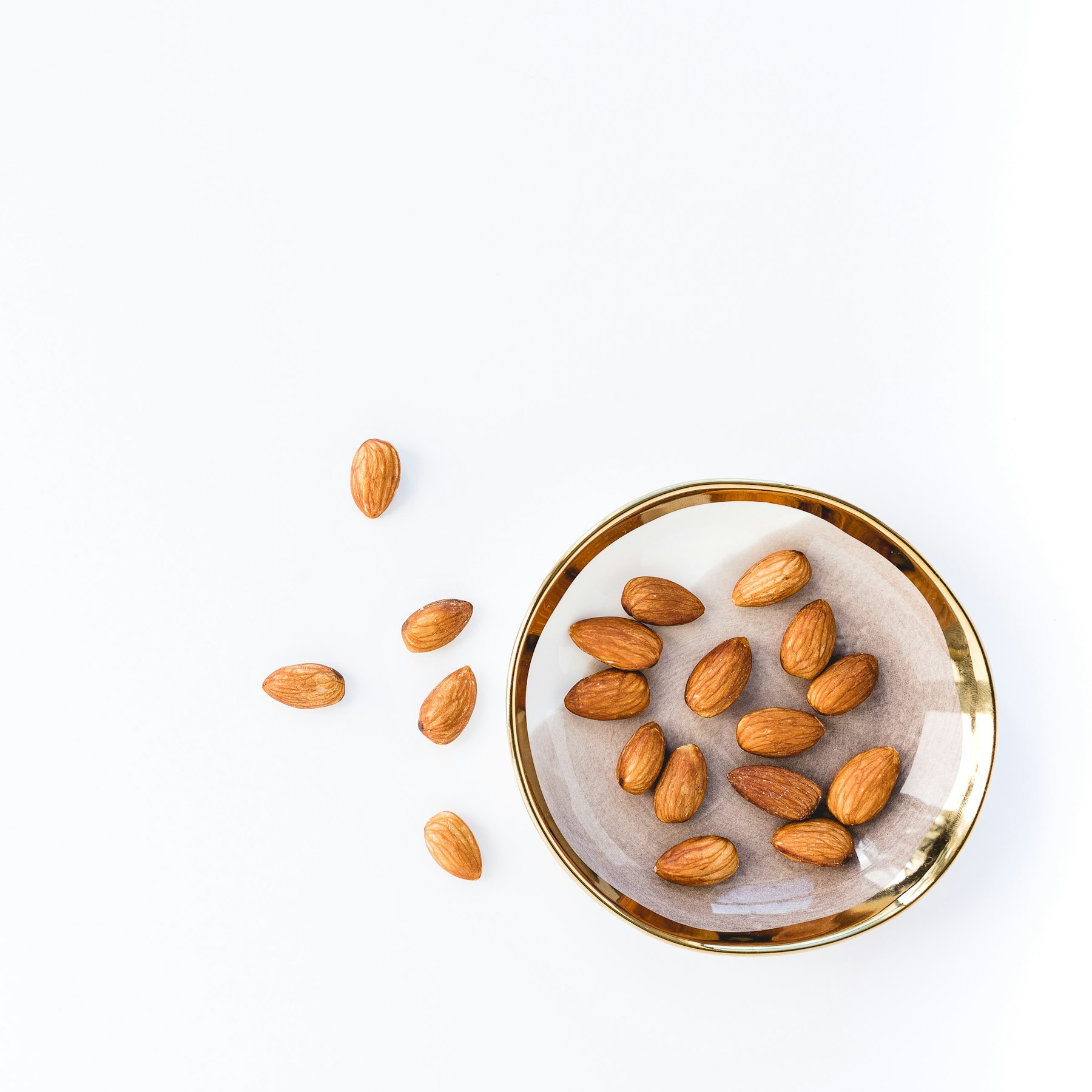
- Walnuts, almonds or pumpkin seeds
- Soy sauce or tamari
- Maple syrup
- Nutritional yeast (for “cheesy” flavor)
- Vinegars: apple cider, rice and balsamic
- Spices: cumin, smoked paprika, chili powder, curry powder, garlic powder, cinnamon, Italian seasoning
Your first plant-based shop: a starter list
Just getting started? You don’t need everything above. This short list covers a full week of simple meals:
- 1 bag rolled oats, 1 bag brown rice, 1 box pasta
- 3 cans chickpeas, 2 cans black beans, 1 bag red lentils
- 2 cans diced tomatoes, 1 carton vegetable broth
- 1 block extra-firm tofu, 1 carton soy milk
- Onions, garlic, carrots, a bag of spinach, bananas, lemons
- 1 bag frozen mixed vegetables, 1 bag frozen berries
- 1 jar peanut butter
From that list you can make overnight oats, a lentil soup, chickpea salad sandwiches, a tofu stir-fry with rice and pasta with chickpeas and spinach. For a complete week with recipes, see our plant-based diet meal plan.
How to shop plant-based on a budget
- Buy dry beans, lentils and grains for the biggest savings per serving.
- Choose store brands for canned beans, tomatoes, oats and frozen produce.
- Shop seasonally and lean on frozen vegetables out of season.
- Plan meals that share ingredients so one bunch of herbs or bag of spinach covers several recipes.
- Skip most specialty products. Mock meats and vegan cheeses are optional extras, not staples.
What not to buy (yet)
When you’re starting out, it’s tempting to fill the cart with every plant-based product on the shelf. Hold off on specialty flours, expensive superfood powders and lots of processed mock meats until you know what you’ll actually use. Start with whole foods and add extras one at a time.
Curious which meat alternatives are worth trying? Our guide to plant-based meat substitutes breaks them down.
Frequently asked questions
What should be on a plant-based grocery list?
Focus on vegetables, fruit, beans and lentils, whole grains, tofu or tempeh, nuts and seeds, plus pantry flavor-makers like soy sauce, spices and vinegar. The list above is organized by store section to make shopping fast.
Is plant-based grocery shopping expensive?
It doesn’t have to be. Beans, lentils, rice, oats, pasta, bananas, cabbage and frozen vegetables are among the most affordable foods in any store. Specialty products are what drive the cost up.
What are good plant-based foods for beginners?
Start with foods you already know: pasta, rice, oats, beans, peanut butter, potatoes and vegetables. Then add tofu, lentils and chickpeas as you try new recipes.
Is there a printable plant-based grocery list?
Yes. The free 7-Day Reset includes a printable list for a full week of meals, and the Everyday Grocery List Bundle has a master list, pantry and freezer checklists, a budget week and a weekly planner.
Make every shop faster
The Everyday Grocery List Bundle gives you printable plant-based grocery lists, pantry and freezer checklists, a budget-friendly week and a weekly meal planner.